 How-to
Signs of a Professional Towing Service
Table of Contents
- What Defines a Professional Towing Service
- Licensing, Insurance, and Operator Credentials
- How to Choose a Towing Company: What to Verify
- Towing Service Questions to Ask Before Dispatch
- Safe Vehicle Towing: Equipment and Procedures
- Towing Scam Warning Signs and How to Avoid Them
- Response Time, Availability, and Reliability
- Transparent Pricing and Upfront Estimates
- Frequently Asked Questions
Last Updated: October 11, 2026
What Defines a Professional Towing Service
A professional towing service is a licensed and insured business that responds quickly to vehicle emergencies with trained operators, proper equipment, and transparent communication. The difference between a professional towing company and an unreliable one often comes down to whether they show up on time, handle your vehicle with care, and charge fair prices upfront.
Licensing, Insurance, and Operator Credentials
Verify your operator's valid towing license, current insurance coverage, and training certifications before dispatch.
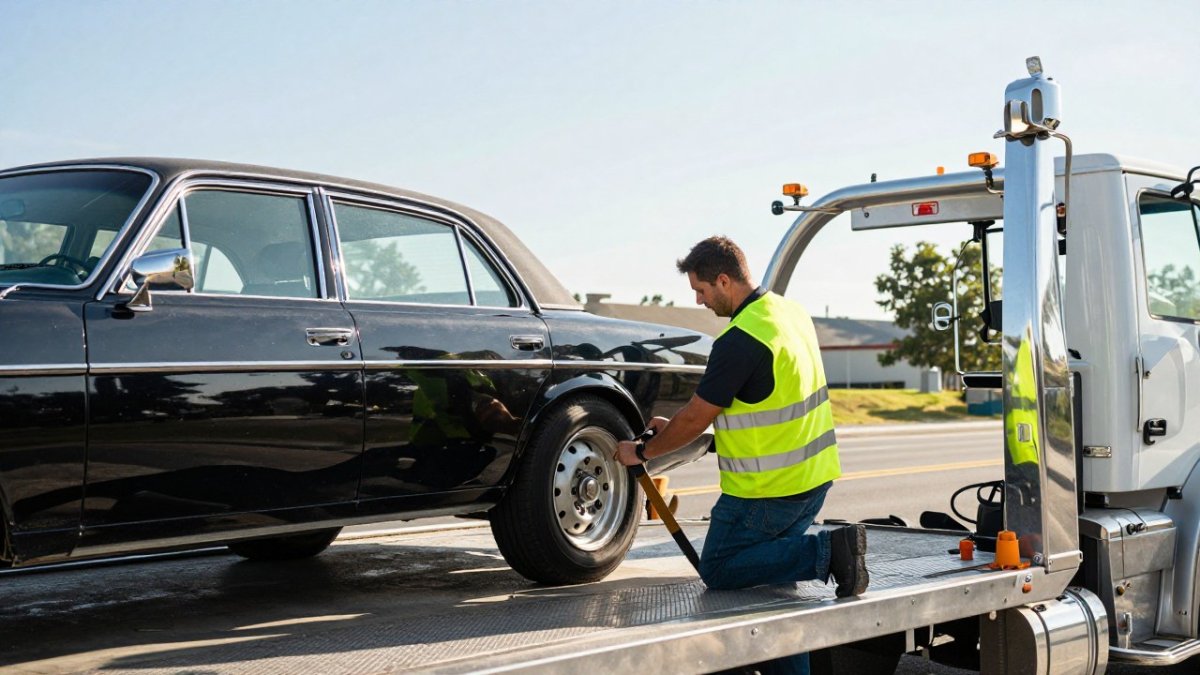
Trained operators know how to secure different vehicle types correctly, luxury sedans require different handling than pickup trucks, and some vehicles need flatbed towing while others can use wheel-lift.
Ask directly: "Are you fully insured?" A professional company carries liability insurance protecting your vehicle during transport and provides proof willingly.
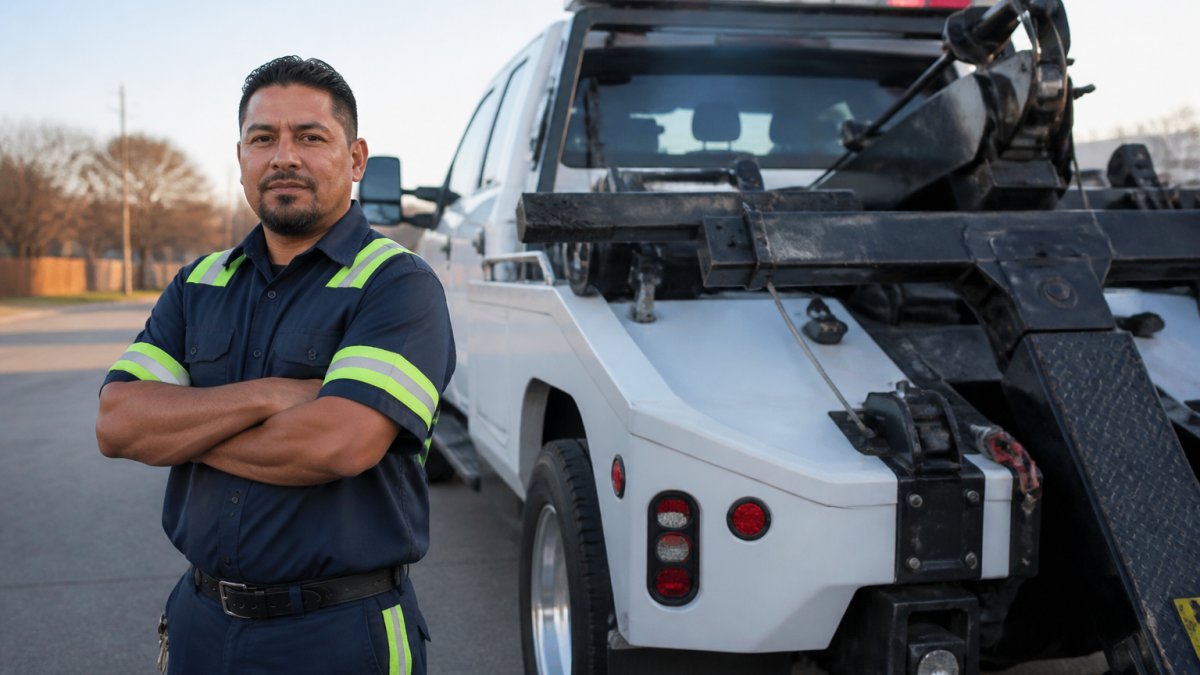
A legitimate operator displays their license number on the truck and provides it readily. Hesitation is a warning sign.
How to Choose a Towing Company: What to Verify
Verify three layers of legitimacy: state licensing, insurance proof, and operational transparency.
Step 1: Verify State Licensing and Registration
To verify licensing: (1) Ask for the state license number. (2) Visit your state's DMV or Transportation website and search the registry. (3) Confirm current status and check expiration date.
If a company refuses to provide a license number, becomes defensive, or the number doesn't appear in the state registry, do not use them. This is the single most reliable way to separate legitimate operators from unlicensed scammers.
Step 2: Request and Verify Insurance Documentation
Ask the company: "Can you email me proof of current liability insurance and garage keepers coverage?" Liability protects your vehicle if damaged during towing; garage keepers covers vehicles in their care.
Verify the policy holder name matches the company, coverage includes towing liability, limits are adequate ($100,000+ minimum), and dates show current coverage. Call the insurance company independently to confirm the policy is active.
Step 3: Evaluate Operational Transparency
Look for: license and insurance posted publicly, transparent pricing, realistic response time commitment (e.g., "30-45 minutes"), 24/7 contact information, and equipment inventory listed.
Step 4: Call and Ask Verification Questions
Call dispatch and ask: (1) "What's your average response time in [your area]?" A professional gives a specific window; vague answers indicate poor tracking. (2) "Are you licensed and insured, and can you provide proof?" They should answer yes immediately. (3) "Do you operate 24/7, and is there a surcharge for nights or weekends?" Professional companies are transparent about after-hours fees upfront.
Step 5: Check Customer Feedback for Patterns
Search Google, Yelp, and the Better Business Bureau for patterns. Positive patterns include fast arrival, careful handling, and clear pricing. Red flags include surprise charges, rude drivers, or refusal to provide estimates. Reviews mentioning specific scenarios ("They towed my AWD car safely," "They arrived during a snowstorm") reveal operational capability.
Towing Service Questions to Ask Before Dispatch
Before you authorize a tow, ask the dispatcher specific questions.
Response time: "What's your estimated arrival time?" A professional gives a specific window (e.g., "25-35 minutes").
Equipment: "Will you use a flatbed or wheel-lift tow?" Luxury, sports, and all-wheel-drive vehicles require flatbeds to prevent drivetrain damage.
Destination: "Where will you tow my vehicle?" Confirm the repair shop address or impound lot before the truck arrives.
Cost estimate: "What's the towing fee?" A professional provides a range upfront, explains what's included, and mentions additional fees (night surcharge, long-distance, specialized equipment).
Driver information: "What's your driver's name and truck number?" A professional company provides this without hesitation. It creates accountability.
Safe Vehicle Towing: Equipment and Procedures
Professional towing means matching equipment and technique to your specific vehicle. Using the wrong method can damage your drivetrain, suspension, or undercarriage, and a professional operator knows exactly which vehicles require which approach.
Understanding Towing Methods and Vehicle Compatibility
Flatbed Towing (Safest for Most Vehicles)
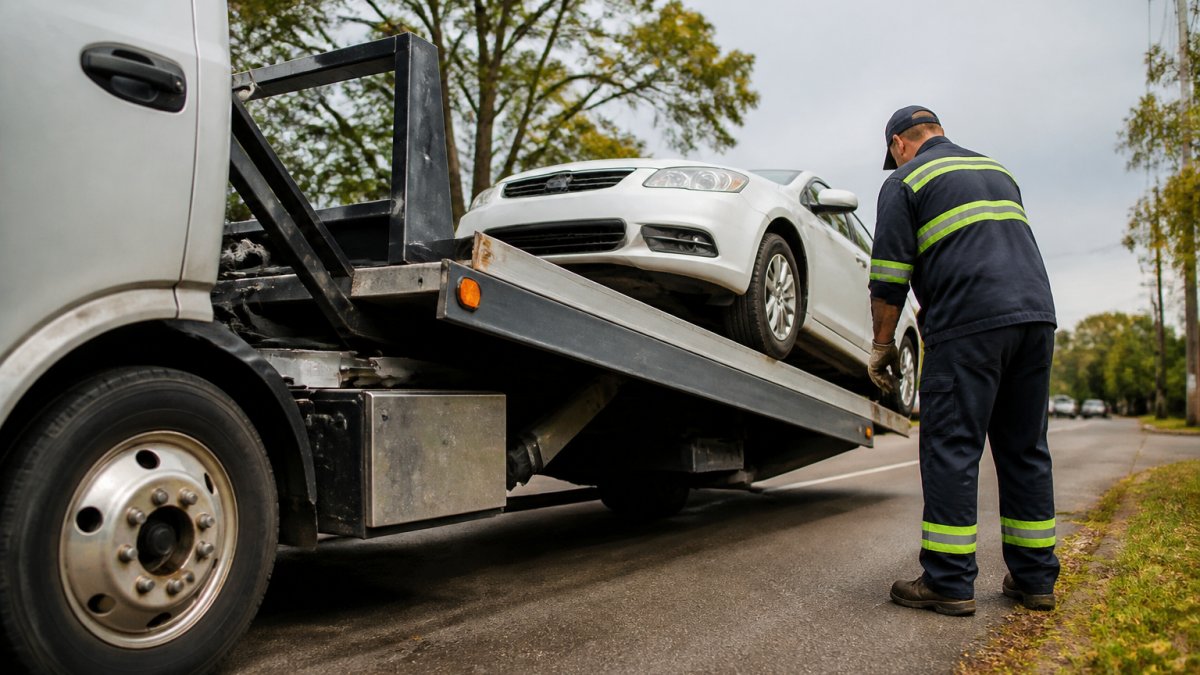
A flatbed truck has a flat, level platform. Your entire vehicle is loaded onto this platform using a winch or drive-on ramps.
Flatbed towing is required for:
- All-wheel-drive vehicles (AWD)
- Front-wheel-drive vehicles with mechanical issues
- Low-clearance sports cars and luxury vehicles
- Vehicles with air suspension
- Electric vehicles (EV)
- Vehicles with damage to the frame or suspension
- High-value or exotic vehicles
All-wheel-drive systems are mechanically locked; towing with two wheels on the ground causes drivetrain damage costing $3,000-$8,000. Electric vehicles require flatbed towing to protect the battery pack.
Wheel-Lift Towing (Faster, Less Expensive)
A wheel-lift truck lifts either the front or rear wheels off the ground; the other two wheels roll freely.
Wheel-lift towing is appropriate for:
- Older vehicles with standard rear-wheel-drive
- Vehicles with no mechanical damage
- Short-distance tows (under 50 miles)
- Standard sedans and compact cars
Wheel-lift towing is inappropriate for all-wheel-drive vehicles, low-clearance vehicles, air suspension systems, or vehicles with frame/suspension damage.
A professional operator will not use wheel-lift towing on an inappropriate vehicle, even if it's faster or cheaper. The liability and potential damage are too high.
Dolly Towing (Rare, Specialized)
The Professional Securing Process
Once the correct towing method is selected, the operator must secure your vehicle properly. This is where professionalism is visible.
Flatbed: Load vehicle, center with even weight distribution, attach chains or straps at four structural points, tighten snug, use wheel chocks or nets, inspect all attachment points. Wheel-Lift: Position arm under frame or suspension (never bumpers), raise wheels 12-18 inches, secure lifted wheels with straps, secure rolling wheels with chocks, lock steering wheel straight.
Vehicle-Specific Considerations
A professional operator knows that different vehicles have different vulnerabilities.
All-Wheel-Drive Vehicles: Must use flatbed only. Never wheel-lift. The operator asks about drivetrain before towing.
Electric Vehicles: Require flatbed towing. The operator avoids wheel-lift because it can damage the battery pack mounted under the vehicle.
Low-Clearance Vehicles: Sports cars, luxury sedans, and lowered vehicles need flatbed towing. A wheel-lift can cause the front bumper or undercarriage to scrape the ground during loading or unloading.
Vehicles with Air Suspension: Luxury vehicles (Mercedes, BMW, Audi, Range Rover) have air suspension sensitive to weight distribution. Flatbed is safer than wheel-lift.
Vehicles with Damage: Frame, suspension damage, or vehicles stuck in ditches may require a rotator or recovery winch before towing.
Safe Driving Practices During Transport
Once your vehicle is secured, the operator's driving matters. A professional operator:
- Maintains appropriate speed. They don't exceed 55 mph, even on highways. Excessive speed creates stress on the towing connection and increases the risk of the vehicle shifting.
- Avoids sudden acceleration or braking. Smooth, gradual movements prevent jerking that can damage the towing connection or your vehicle.
- Takes turns slowly. Sharp turns at speed can cause a flatbed load to shift or a wheel-lift vehicle to swing.
- Maintains safe following distance. They stay well back from other vehicles to avoid sudden braking situations.
- Checks mirrors frequently. They watch for any signs of movement or instability in the towed vehicle.
Equipment Maintenance and Inspection
A professional towing company maintains their equipment to professional standards. When a truck arrives, you should see:
- Clean, well-maintained truck. The truck is clean and free of rust or obvious damage. This signals that the company maintains their equipment properly.
- Visible safety equipment. Chains, straps, wheel chocks, and other securing equipment are visible and appear new or well-maintained.
- Proper lighting. The truck has working headlights, taillights, and warning lights. Safety lighting is non-negotiable.
- Professional markings. The truck displays the company name, license number, and contact information clearly.
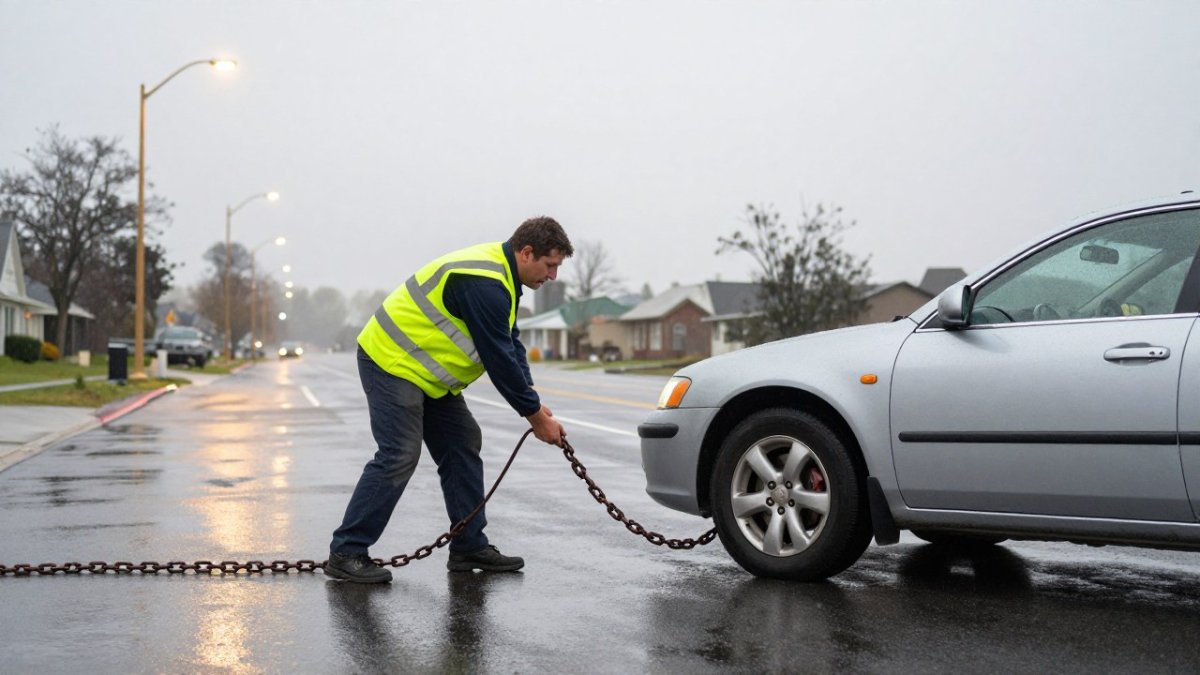
- No makeshift solutions. A professional operator doesn't use rope, wire, or improvised securing methods. They use proper chains, straps, and equipment rated for the job.
Towing Scam Warning Signs and How to Avoid Them
Scams in the towing industry are common. Knowing the warning signs protects you from predatory operators and inflated charges.
Unsolicited offers: If a tow truck driver approaches you at an accident scene, be cautious.
Pressure to sign documents: Scammers push you to sign without explanation and create urgency ("Sign now or I'm leaving").
Vague pricing: Scammers avoid price estimates to justify inflated bills.
Refusing to show credentials: A legitimate operator carries a license and insurance card. They show them willingly.
Towing to an unfamiliar location: Always confirm the destination before the truck leaves to avoid unauthorized impound lots and storage fees.
Aggressive collection tactics: Scam operators demand immediate cash payment with intimidation.
Response Time, Availability, and Reliability
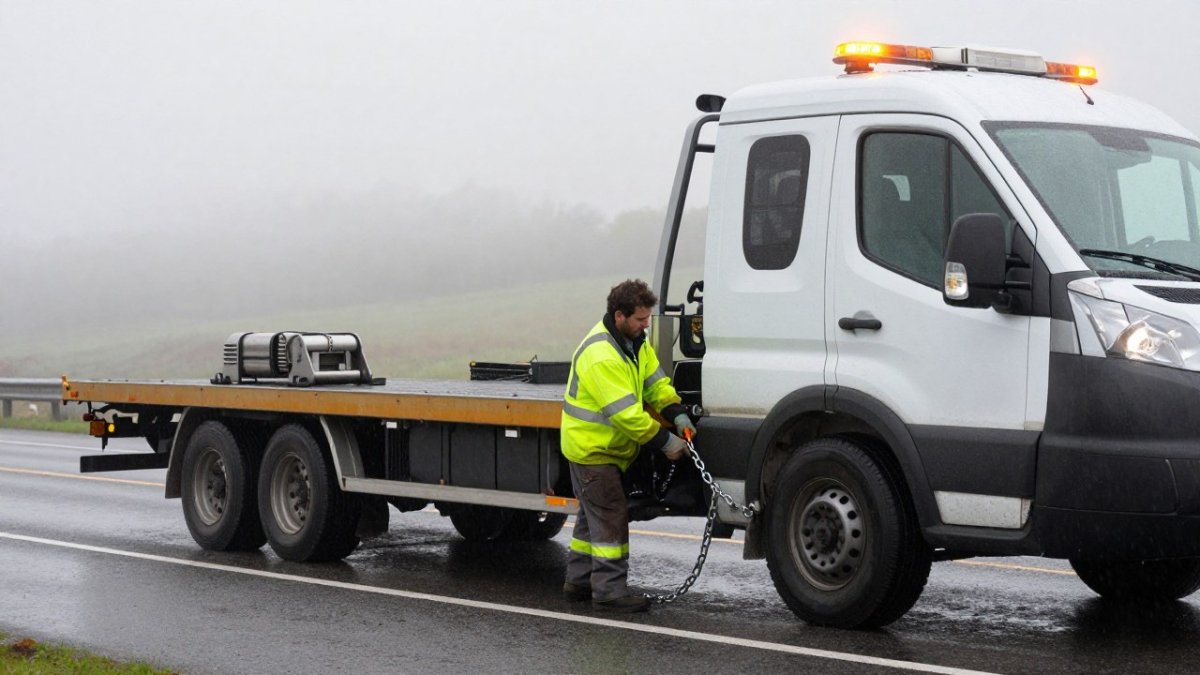
A professional towing service answers 24/7 and tracks response times to ensure consistent arrival. Availability means having enough trucks and operators to handle multiple calls; a company with one truck can't serve reliably. Professional companies operate in rain, snow, and ice, exactly when customers need them most.
Transparent Pricing and Upfront Estimates
A professional towing service provides transparent estimates before dispatch, breaking down base fees, service type, time-of-day surcharges, and special equipment costs. They provide itemized invoices with no surprise charges and explain insurance coverage upfront. Compare estimates from multiple companies, but remember: the cheapest option may cut corners on safety. A professional company prices fairly and delivers value through reliability.
Choosing a professional towing service means prioritizing reliability, transparency, and vehicle safety over cost alone. A professional towing company shows up on time, handles your vehicle with care, and charges fair prices upfront. JETZ TOWING delivers that reliability with licensed and insured professionals, fast local dispatch, and secure vehicle transport across 18 communities in the Greater Sacramento area.
Frequently Asked Questions
How can you tell if a towing company is professional?
A professional towing service displays several key indicators: valid state licensing and current insurance coverage, uniformed and trained operators, well-maintained equipment, clear communication about response times and fees, and positive customer reviews. They provide upfront estimates, respect your vehicle's condition, and operate 24/7 dispatch. Ask to verify their credentials, inquire about operator training certifications, and check whether they carry liability and cargo insurance. Professional companies prioritize your safety and vehicle security from the moment you call.
What questions should I ask a towing company before they dispatch?
Always ask: What is your estimated arrival time? Do you have current licensing and insurance? Will you provide an upfront estimate? What equipment will you use for my vehicle type? Are your operators trained and certified? What happens if my vehicle is damaged during transport? Request specifics on their towing procedures, ask if they offer roadside assistance beyond towing, and confirm they can handle your vehicle safely. Professional companies answer these clearly without hesitation and provide documentation of their credentials upon request.
What are common towing scam warning signs?
Red flags include operators demanding cash-only payment, refusing to provide written estimates, pressuring you to sign blank forms, quoting suspiciously low prices, lacking visible licensing or insurance information, and appearing unprofessional or aggressive. Be wary of unmarked or poorly maintained vehicles, operators who won't answer questions about credentials, and companies that pressure you into unnecessary services. Avoid services that demand payment before transport or refuse to explain their fees. Legitimate professional towing companies provide transparent communication, verifiable credentials, and clear pricing before any work begins.
How important is response time when choosing a towing service?
Response time is critical for roadside emergencies. Professional towing services maintain local dispatch and aim for rapid arrival, especially during peak hours or adverse weather. When calling, ask what their average response time is and whether they can provide realistic estimates based on current conditions and traffic. Services with 24/7 availability and multiple trucks in your area typically deliver faster response. Verify their claims by checking customer reviews mentioning actual wait times. Fast, reliable response separates professional operators from those who leave you stranded on the roadside for hours.