 ultimate-guide
Towing Insurance Coverage Explained: A 2026 Guide
Table of Contents
- What Towing Insurance Coverage Is and How It Works
- Does Car Insurance Cover Towing
- Optional Towing and Roadside Assistance Coverage
- Towing and Labor Cost Coverage: What's Included
- Towing Insurance Coverage Limits and Reimbursement Caps
- Towing and Storage Expenses Insurance After an Accident
- Coverage Exclusions and When Towing Is Not Covered
- Comparing Insurance Coverage, Motor Clubs, and Pay-Per-Use Towing
- Frequently Asked Questions
Last Updated: October 4, 2026
What Towing Insurance Coverage Is and How It Works
Towing insurance coverage is an optional add-on to your auto insurance policy that pays for the cost of transporting your vehicle to a repair shop or designated location when it breaks down or is involved in an accident. This coverage typically includes the actual tow service, and in some policies, labor costs at the roadside.
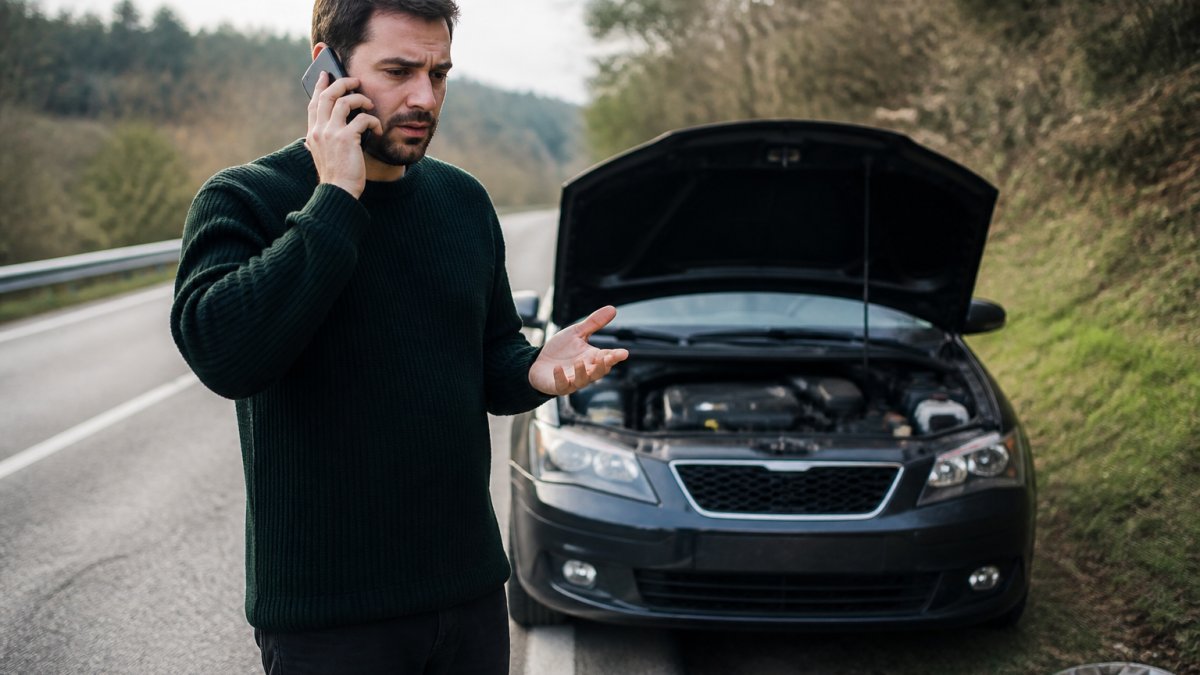
When your vehicle breaks down, you contact your insurer or roadside assistance provider, who dispatches a tow truck and reimburses charges up to your policy limit. Without coverage, you pay the full cost out of pocket.
Towing insurance coverage differs from roadside assistance: towing covers vehicle transport, while roadside assistance includes jump-starts, lockouts, fuel delivery, and tire changes. Some policies bundle both; others keep them separate. Review your policy to avoid surprises.
Does Car Insurance Cover Towing
Standard auto insurance policies do not automatically include towing coverage. Liability, collision, and comprehensive coverage focus on damage and claims, not transport costs.
If your car breaks down or is damaged in an accident, you pay the tow bill unless you've purchased optional coverage. A single long-distance tow often costs more than a year of optional coverage.
Some insurers bundle roadside assistance at no extra charge, but verify what's included. Review your policy documents or call your insurer to confirm coverage. If towing isn't included, request it at your next renewal.
Optional Towing and Roadside Assistance Coverage
Adding optional towing coverage is straightforward and inexpensive. Most insurers offer it as a low-cost endorsement. When purchased, your insurer covers the tow bill up to your selected limit.
Roadside assistance, often sold with towing coverage, includes lockouts, jump-starts, fuel delivery, tire changes, and winching. Motor club memberships like AAA offer similar protections as a cost-effective alternative.
Choose between insurance-backed coverage (seamless integration with your policy) or motor clubs (flexibility for frequent travelers). Both beat being stranded without help.
Towing and Labor Cost Coverage: What's Included
Towing and labor cost coverage pays for vehicle transport and roadside labor to repair your vehicle on-site.
Towing covers dispatch and transport to a repair facility. Distance matters: local tows cost less than 50-mile highway recoveries.
Labor coverage reimburses roadside repairs like jump-starts, tire changes, or fuel filter unclogging. If a technician fixes the problem on-site, labor coverage pays without requiring a full tow.
Exclusions typically include tows for legally parked or abandoned vehicles, criminal activity, or non-emergency transport. Review your policy to understand these boundaries.
Towing Insurance Coverage Limits and Reimbursement Caps
Every towing coverage policy includes a maximum reimbursement limit per tow, typically ranging from $50 to $200 depending on your selection.
The insurer reimburses up to your limit; you pay any overage. If you live in a rural area with frequent long-distance tows, a low limit leaves you exposed.
Some policies cap each tow separately; others set an annual aggregate limit for multiple tows. Ask your insurer which applies to determine if your coverage is adequate.
Towing and Storage Expenses Insurance After an Accident
After a collision, your vehicle may be towed and stored. Towing and storage expenses accumulate quickly, especially during extended claims processing or repair delays.
Standard towing coverage pays for initial transport. Storage charges are sometimes covered under a separate endorsement, though many policies exclude them.
Police impound fees are typically your responsibility. Private repair shop storage may or may not be covered. Clarify with your insurer and repair facility before incurring charges.
The at-fault driver's liability coverage may cover towing and storage for the injured party. If their coverage is minimal, storage costs can quickly exceed reimbursement.
Coverage Exclusions and When Towing Is Not Covered
Understanding towing coverage exclusions prevents costly claim denials.
Breakdowns without active roadside coverage. Standard auto policies don't cover mechanical breakdowns. Collision and comprehensive coverage pay for accident and weather damage only. This is the most common exclusion.
Vehicles parked on private property. Breakdowns in your driveway or on private property typically aren't covered. Coverage applies to public roads and parking lots away from home.
Illegal parking and impound situations. Tows for illegal parking, abandonment, or law enforcement impound are not covered. Criminal activity and traffic violations are excluded.
Non-emergency transport. Towing coverage applies only when your vehicle is disabled and cannot be safely driven, not for convenience transport to a preferred mechanic.
Lack of maintenance and mechanical negligence. Some insurers exclude coverage for breakdowns caused by failure to maintain the vehicle. Review your policy for maintenance-related exclusions.
Tows by unauthorized providers. Reimbursement may be denied if you use a non-approved provider. Always contact your insurer first to confirm the provider is approved.
Exceeding coverage limits. If your tow exceeds your policy limit, you pay the difference. Review your limit and increase it if you live in a rural area or travel long distances.
Storage and impound fees. Towing covers transport but not storage fees unless you've purchased a separate endorsement. Clarify with your insurer whether storage is included.
Review your policy before needing a tow, and contact your insurer immediately when a tow is needed to verify the provider is approved.
Comparing Insurance Coverage, Motor Clubs, and Pay-Per-Use Towing
Three main options exist for securing towing help: adding coverage to your auto insurance policy, joining a motor club, and using pay-per-use towing services. Each has distinct cost structures, coverage limits, and claims processes.
Insurance-backed towing coverage.
When you add towing and labor coverage to your auto policy, the cost is typically $5 to $15 per year, depending on your insurer and the coverage limit you select.
How it works: When your vehicle breaks down or needs a tow after an accident, you contact your insurance company or use their mobile app to request roadside assistance.
Advantages: The coverage is inexpensive, integrates seamlessly with your existing policy, and the claims process is straightforward because your insurer manages everything. You know exactly what's covered and what the limit is.
Disadvantages: Coverage limits are often modest, so a long-distance tow may exceed your limit and leave you paying out of pocket. You're locked into your insurer's network of approved providers, which may not be your preferred tow company.
Best for: Urban and suburban drivers who rarely travel far from home, have nearby repair shops, and want basic coverage without ongoing fees.
Motor club memberships.
Motor clubs like AAA charge annual membership fees ranging from $50 to $150 per year, depending on membership tier and region.
How it works: When you need a tow, you call the motor club's dispatch line or use their app. They send a tow truck to your location, and you're transported to a repair facility of your choice.
Advantages: Unlimited towing within the mileage limit means you're not capped at a dollar amount per tow. The membership is portable, it works regardless of which vehicle you're driving or which insurer you use. Motor clubs often include additional roadside services bundled into the membership.
Disadvantages: Annual membership fees add up over time if you rarely use the service. Towing distance limits (commonly 100 miles) may not cover very long-distance recovery. Some motor clubs have wait times during peak seasons or in remote areas.
Best for: Frequent travelers, drivers in rural areas where long-distance tows are common, and those who want flexibility and portability across multiple vehicles and insurers.
Pay-per-use towing services.
Digital towing platforms and independent tow companies allow you to call and pay for a tow at the time of service.
How it works: When your vehicle breaks down, you call a tow company directly or use a digital platform to request a tow. A tow truck is dispatched to your location.
Advantages: No ongoing fees or memberships mean you pay only for what you use. You have complete flexibility in choosing a tow provider. If you rarely need towing, this option avoids wasted membership or insurance premiums.
Disadvantages: Costs are unpredictable and can be high, especially for long-distance or after-hours tows. Without negotiated rates or coverage caps, you're vulnerable to surge pricing or inflated charges. You must have cash or a payment method available at the time of service.
Best for: Occasional drivers in urban areas with abundant tow services nearby, those who rarely travel far from home, and drivers who prefer to avoid ongoing fees.
Practical cost scenarios.
Consider three common situations:
Scenario 1: Local breakdown (5 miles). Insurance coverage ($100 limit) covers the full cost. Motor club membership covers it at no additional cost. Pay-per-use costs $75-$125 out of pocket.
Scenario 2: Highway breakdown (50 miles). Insurance coverage ($100 limit) covers only part of the cost; you pay $100-$200 out of pocket. Motor club membership (100-mile limit) covers it fully. Pay-per-use costs $200-$350 out of pocket.
Scenario 3: Multiple tows in one year (two breakdowns). Insurance coverage costs $10 total for the year and covers both tows up to the limit. Motor club membership costs $75-$150 for the year and covers both tows fully. Pay-per-use costs $300-$500 out of pocket.
Over a five-year period with two breakdowns, insurance coverage costs $50, motor club membership costs $375-$750, and pay-per-use costs $1,500-$2,500. However, if you have zero breakdowns, insurance coverage costs $50, motor club membership costs $375-$750, and pay-per-use costs $0.
Which option should you choose?
Start by assessing your driving habits. If you drive primarily in urban or suburban areas within 20 miles of home and repair shops, insurance-backed towing coverage is the most cost-effective choice.
You can also combine options: add basic towing coverage to your insurance policy ($10 per year) and join a motor club ($75 per year) for comprehensive protection.
Frequently Asked Questions
Does car insurance cover towing after a breakdown?
Standard car insurance policies typically do not cover towing for breakdowns. Comprehensive or collision coverage pays for towing only after accidents. To get towing coverage for breakdowns, you need optional roadside assistance or towing and labor coverage added to your policy. Check your current policy declarations page to see if roadside assistance is included. If not, contact your insurance provider to add it.
What is towing and labor cost coverage, and how much does it cost?
Towing and labor cost coverage pays for the cost of towing your vehicle to a repair shop and labor charges for roadside repairs like jump-starts or fuel delivery. Coverage limits typically range from $50 to $500, depending on your policy. Costs for adding this coverage vary by insurer and your vehicle's age. Contact your insurance company for a quote, or ask about bundling it with roadside assistance for better rates.
What are typical towing insurance coverage limits?
Towing insurance coverage limits usually range from $75 to $500 per service call, with most policies offering $100 to $200. Some insurers cap the number of service calls per year (often 4-6). Storage and impound fees may have separate limits, typically $300-$1,000 total per claim. Review your policy documents or call your insurer to confirm your specific limits, as they vary significantly.
Are towing and storage expenses covered by insurance after an accident?
Yes, if you have collision or comprehensive coverage. Your policy typically covers reasonable towing charges to the nearest qualified repair facility and storage fees for a limited period (usually 30 days). Impound fees after an accident may also be covered, but limits apply. Out-of-pocket costs depend on your policy's limits and deductible. Review your policy or ask your insurer about storage limits before an accident occurs.
What expenses are not covered by towing insurance?
Towing insurance typically excludes: towing for maintenance or routine service, towing for vehicles with expired registrations or insurance, towing caused by illegal activity, towing for commercial use, and towing for vehicles in active repair. Rental car costs and hotel accommodations are also usually not covered. Check your policy exclusions section or ask your insurer about specific situations to avoid surprise denials.
How do I file a towing claim with my insurance company?
Contact your insurance company or roadside assistance provider immediately after the incident. Provide your policy number, vehicle details, location, and description of the problem. Keep receipts from the tow truck operator and repair shop. Submit your claim within the timeframe specified in your policy (usually 30-90 days). Your insurer will review the claim and reimburse you up to your coverage limit. Ask about direct billing options to avoid paying out-of-pocket.
Should I use my insurance towing coverage or a separate roadside assistance service?
Insurance towing coverage is best for accidents and major breakdowns because limits are higher and it's bundled with your policy. Roadside assistance services and motor clubs offer faster response times and may cover more service types (lockouts, fuel delivery, tire changes). Pay-per-use towing is most economical if breakdowns are rare. Compare response times, coverage limits, and cost to decide. Many drivers use both: insurance for accidents and a separate service for frequent commuting.