 Comparison
Roadside Assistance vs Tow Truck for a Breakdown
Quick Summary
Roadside assistance fixes small problems where your car sits, such as a dead battery, flat tire, or lockout. A tow truck moves a vehicle that cannot be driven to a repair shop or another location. Call roadside help for minor breakdowns and a tow when the car must be transported.
- Roadside assistance covers battery jump-starts, flat tire changes, fuel delivery, and lockout service.
- A tow truck is the right call for crashes, non-drivable cars, or problems needing a mechanic.
- Check the towing distance limit and yearly call cap on your roadside plan before relying on it.
- Tow quotes are built from a hook fee, a per-mile rate, and surcharges, so ask for an itemized total.
- Turn on hazard lights first and get the car as far onto the right shoulder as possible.
Table of Contents
- Roadside Assistance vs Tow Truck: What Each Option Covers
- Roadside Assistance vs Tow Truck Cost Compared
- How Much Is Roadside Assistance Without Insurance?
- Roadside Assistance for a Flat Tire: What Is Covered
- When to Call a Tow Truck Instead of Roadside Assistance
- Decision Guide: Which Option to Call at the Roadside
- Booking Your Tow With JETZ TOWING
- Frequently Asked Questions
Roadside Assistance vs Tow Truck: What Each Option Covers
Last Updated: November 19, 2026
When a car dies on the shoulder, the first call you make matters. Roadside assistance and a tow truck are not the same service, and picking the wrong one can cost you time and money. Drivers often guess wrong at the worst possible moment, so this guide explains what each option covers. This guide explains what each option covers and which one to call for your breakdown.
Roadside assistance is a membership or insurance-based service that sends help for minor problems on the spot. A tow truck service moves your vehicle from where it broke down to a repair shop or another location. The two overlap, but they solve different problems.
What is roadside assistance?
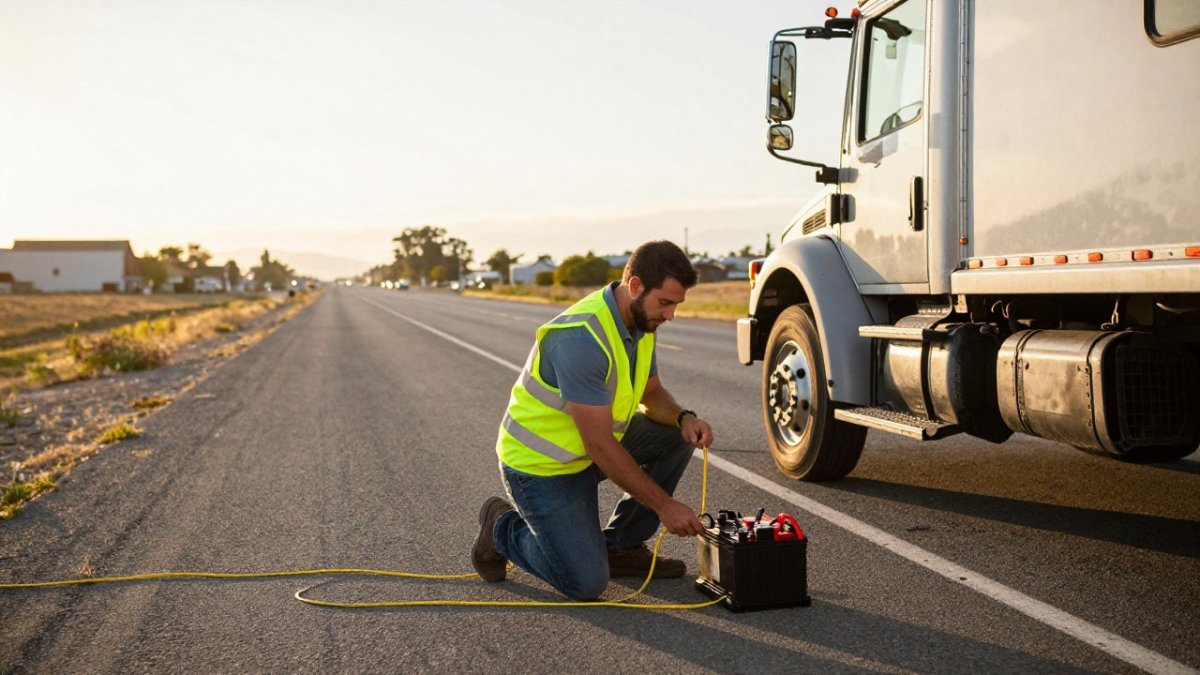
Roadside assistance is a service that fixes small, common breakdowns where you are stopped, without moving the vehicle far. Typical help includes battery jump-starts, flat tire changes, fuel delivery, and lockout service. Many drivers get it through an auto insurance policy or a membership such as AAA. Coverage varies by plan, so check the towing distance limit and the number of calls allowed per year before you rely on it.
What is a tow truck service?
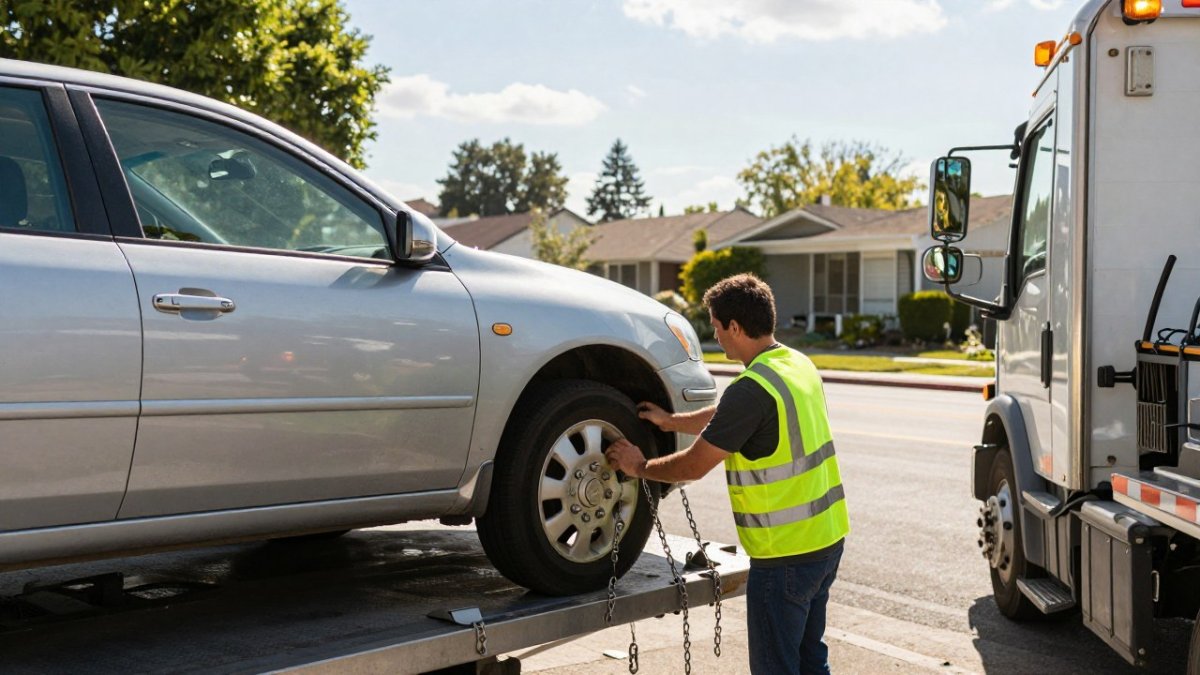
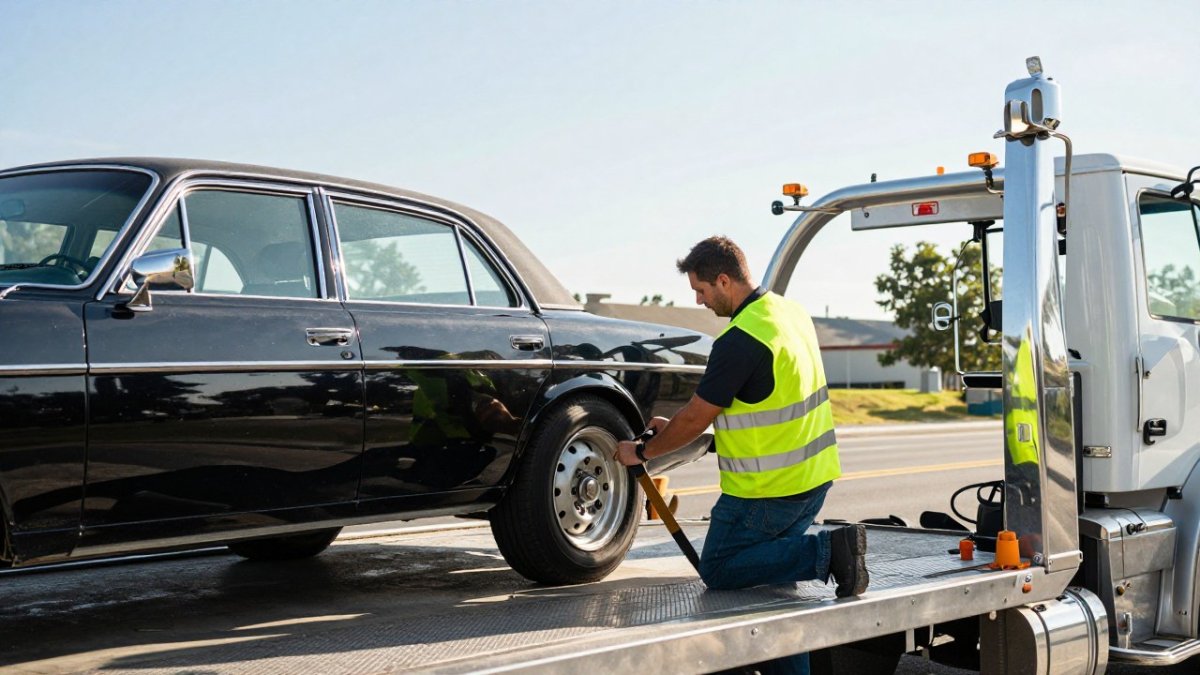
A tow truck service transports a vehicle that cannot be driven or fixed on the roadside. A flatbed or wheel-lift truck carries the car to a shop, home, or dealer. Towing is the right call when the problem needs a mechanic, when the vehicle is in a crash, or when it is unsafe to drive. Towing usually costs more than a roadside fix because the truck and driver travel to you and haul the car away.
Roadside Assistance vs Tow Truck Cost Compared
The price gap between these two options is often the biggest factor in which one you call. Roadside fixes on the spot tend to cost less because no vehicle is moved. Towing charges add up with distance, vehicle size, time of day, and recovery difficulty.
Towing costs vary with distance, vehicle type, and whether the call happens at night. Insurance plans list add-on fees that differ by policy, so confirm the amount that applies to yours with your insurer, and request a current quote from JETZ TOWING for exact pricing.
| Option | Typical Use | Cost Pattern | Best For |
|---|---|---|---|
| Roadside assistance (plan or policy) | Battery, tire, fuel, lockout | Membership or add-on fee; check per-call limits | Frequent, minor breakdowns |
| Direct tow truck call | Vehicle must be moved | Per-service charge; rises with distance | Non-drivable cars, crashes |
| Roadside fix paid out of pocket | Jump start, tire change | Usually lower than a tow | One-time minor problems |
What actually drives the price of a tow
A tow quote is not one number. It is usually built from a hook fee (the base charge to dispatch and connect), a per-mile rate after a set allowance, and surcharges for nights, weekends, holidays, or bad weather. Vehicle weight and drivetrain matter too: an all-wheel-drive car or a low-clearance vehicle may need a flatbed, and a flatbed typically costs more than a wheel-lift. Recovery from a ditch, mud, or a parking garage adds labor. Ask the dispatcher to itemize the hook fee, the included mileage, the per-mile rate, and any surcharge before the truck rolls, and get the total in writing.
How insurance reimbursement actually works
Most articles say "check your policy" and stop there. The useful part is knowing what to look for. Open your declarations page and search for terms like "towing and labor," "roadside assistance," or "emergency road service." That rider usually lists a per-occurrence limit (often a flat dollar cap) and sometimes a per-mile tow allowance. Two mechanics trip people up. First, reimbursement is frequently pay-and-claim: you pay the driver, then submit a receipt, so keep it. Second, the rider may reimburse only up to its limit, and a long tow can exceed it, leaving you the difference. If you carry a membership plan instead, check the annual call cap and the towing distance cap, because a second callout in the same year may not be covered.
How Much Is Roadside Assistance Without Insurance?
If you do not carry a roadside plan, you pay for each call directly. Many drivers find a single roadside fix costs less than a year of membership, but a tow costs more than either. If you break down once or twice a year, paying per call can make sense. If you break down often, a plan may save money over time. Compare the annual fee against what you expect to pay per call, and count any towing distance limit that could leave you with a bill.
Roadside Assistance for a Flat Tire: What Is Covered
A flat tire is one of the most common reasons drivers call for help. Coverage depends on your specific plan, so check whether tire changes are included before you need them.
Check your plan before you need it. Look for three details: whether tire changes are included, the per-year call limit, and the towing distance cap.
When to Call a Tow Truck Instead of Roadside Assistance
Call a tow truck when a roadside fix will not get the car moving. Common cases include a failed transmission, a cracked radiator, a broken axle, a vehicle damaged in a crash, or a car that will not start after a jump. Call a tow if you smell burning, see smoke, or hear grinding that suggests a mechanical failure. Safety comes first. If you are on a busy freeway with a disabled vehicle and you cannot reach the shoulder, call for help immediately and stay behind the guardrail if you can.
A tow is the right call when the car must go to a repair shop.
Safety steps while you wait
What you do in the first few minutes matters more than which service you pick. Turn on your hazard lights immediately. If the car can still roll, get it as far onto the right shoulder as possible and angle the front wheels away from traffic. Set out reflective triangles or flares if you carry them, placing one behind the car and one farther back on the traffic side. Stay inside the vehicle with your seatbelt on if you are on a freeway shoulder, and exit only on the passenger side, away from traffic, once you are certain it is safe. Keep a charged phone and a reflective vest in the car. These steps buy you time whether the truck is a roadside unit or a tow.
Rural versus urban: why location changes the call
Availability and response time depend heavily on where you break down. In a dense metro area, both roadside providers and tow operators are usually close, so a jump-start or tire change may arrive quickly. Before you rely on a plan, check its coverage map and whether it dispatches its own trucks or subcontracts. If you are far from a shop, a tow may be the only realistic option even for a minor problem, because a roadside tech cannot fix a flat with no spare or a dead battery that will not hold a charge.
Decision Guide: Which Option to Call at the Roadside
Use this quick sequence when you break down:
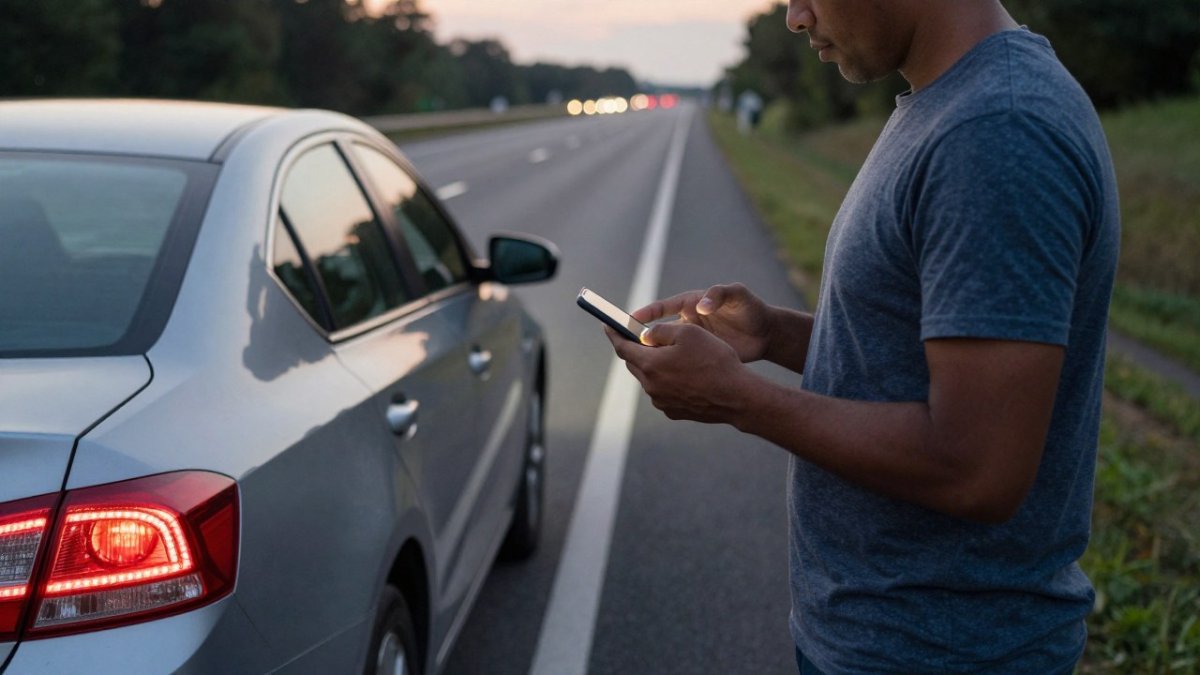
- Is anyone hurt, or is the car unsafe? Call 911 first, then your tow or roadside provider.
- Can the car be driven? If yes, drive to a safe place or a repair shop.
- Is the problem a dead battery, flat tire, locked door, or out-of-fuel situation? Roadside assistance usually handles it.
- Does the car need a mechanic or transport? Call a tow truck.
- Do you have a plan? Check the coverage before paying out of pocket.
Watch out: many drivers assume a roadside plan covers any towing. It often caps the distance, so a long tow to a far shop can leave you paying the difference.
Booking Your Tow With JETZ TOWING
When you need a tow or a roadside fix in Carmichael or nearby communities, we are ready to help. Need a Tow in Carmichael? Call Now and our team will dispatch a truck. You can also review the roadside services we offer, from jump starts to lockout service. If you are unsure whether we cover your area, check our service coverage across 18 Sacramento and Placer County communities. For background on how 24-hour roadside help works, read 24 Hour Roadside Help: How to Get It Fast. And if you want to know whether your insurance already covers towing, our guide to towing insurance coverage explained walks through it.
We are licensed and insured. Call us at 916-628-8646 any time, day or night, and we will get you back on the road.
Frequently Asked Questions
What is the difference between towing and roadside assistance?
Roadside assistance covers quick fixes done where your vehicle sits, such as jump-starts, fuel delivery, lockout help and tire changes. Towing moves the vehicle to a repair shop or another location when the problem cannot be fixed on the spot. Many roadside plans include a towing allowance, but the towing distance is capped, so a longer tow may still cost extra. Check your plan's mileage limit before you call.
How much does roadside assistance cost without insurance?
Without a membership or insurance add-on, you pay per service. Pricing for a direct tow call depends on the service and circumstances, so request a quote from JETZ TOWING before the truck is dispatched. Membership plans are a separate cost and their prices vary by provider and plan level. Ask for the full quote before the truck is dispatched so you know what you are agreeing to pay.
Does roadside assistance cover a flat tire?
Coverage for a flat tire depends on your plan, so review your plan terms before you need them. Coverage details vary by provider, so review your plan terms or call the provider to confirm what applies to your vehicle before you need it.
When should I call a tow truck instead of roadside assistance?
Call a tow truck directly when the vehicle needs transport to a shop, was in a collision, is blocking traffic, or is too far from your plan's towing limit. Roadside assistance is usually better for a dead battery, lockout or out-of-fuel situation that can be fixed on the spot. If you are unsure, describe the problem to the dispatcher and ask whether the vehicle can be repaired where it sits.